
Bedliner on Boats: Non-Slip Decks, Work Boats and Docks
Where a sprayed liner works on boat decks, jon boats, pontoons and docks, how aluminum and fiberglass are prepped, and why hull coating is a specialist job.
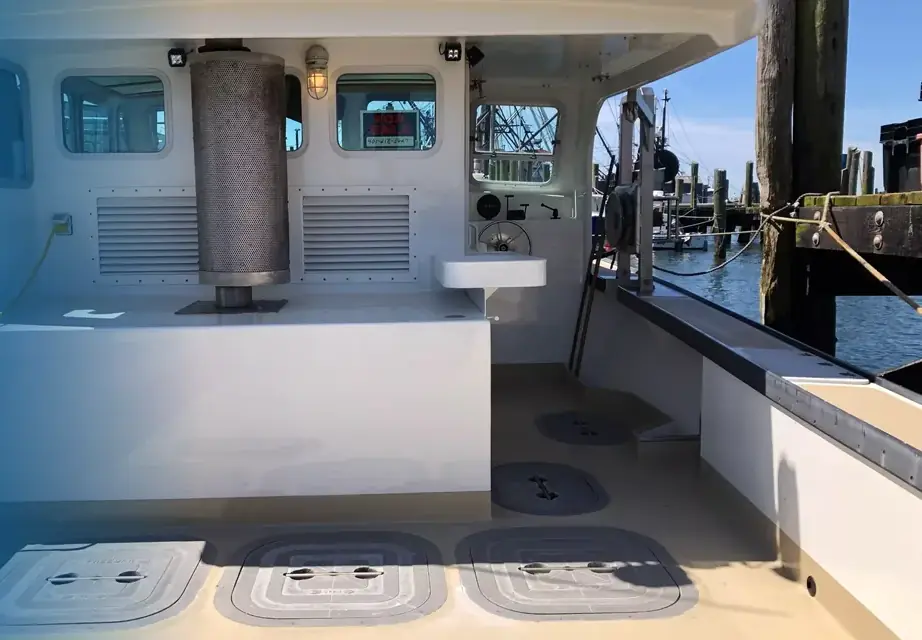
A sprayed liner gives boat decks, jon boat floors, pontoon decks and docks a tough, seamless, non-slip surface. Prep is specific to aluminum, fiberglass or wood, and an aliphatic UV topcoat keeps it from fading in the sun.
Hull coating below the waterline is a different, specialist job. Keep a standard bedliner on decks and topsides unless you're working with an experienced marine applicator.
Key takeaways
- Sprayed liners suit decks, floors, gunwales, casting decks and docks, where grip and impact resistance matter most.
- Below-waterline hull coating needs an immersion-rated system and a marine specialist, not a standard bedliner job.
- Aluminum needs abrading and an aluminum primer, fiberglass needs dewaxing before sanding, and wood must be dry and sound.
- An aliphatic UV topcoat prevents the chalking and fading that aromatic liners show in direct sun.
- Keep scuppers, drains and hatch seals clear, and match thickness to each area so you don't add needless weight.
Boat owners borrow bedliner from the truck world for the same reasons truck owners use it: it’s tough, it grips, and it seals a surface in one continuous layer. On a work skiff, a jon boat or a pontoon deck that sees muddy boots, tackle, anchors and coolers, that’s a good fit.
Boats aren’t trucks, though. Sun, water, weight and the way a hull flexes all change the job. Here is where a sprayed liner makes sense on the water, where it doesn’t, and what to ask the shop.
Where a Sprayed Liner Works on a Boat
The best candidates are surfaces you walk on, drop things on, or need to grip with wet feet:
- Work boat decks on aluminum or steel crew boats, skiffs and barges.
- Jon boat and utility boat floors, where bare aluminum gets slick and loud.
- Pontoon decks as a replacement for worn carpet or vinyl.
- Casting decks, gunwales and bow areas that take hits from anchors, rods and gear.
- Storage compartments and fish boxes, once you’ve confirmed the product suits that use.
For fish holds or anything that touches catch or holds water most of the time, ask the applicator what the product is rated for. Not every bedliner formulation is meant for constant immersion or food contact, and a good shop will tell you which ones are.
Hull Coating Is a Different Job
Coating a hull below the waterline is not the same as lining a deck. The surface sits in water continuously, it has to be faired smooth to run well, and it may need to work with antifouling paint. Weight and balance matter more, and a flaw that lets water get behind the coating can cause problems you won’t see until haul-out.
Some marine specialists do coat aluminum work boat hulls with immersion-rated systems, usually for abrasion from rocks, ice or beaching. That’s its own trade with its own products and prep. A shop that mostly sprays pickup beds shouldn’t be your first call for a hull.
Unless the applicator is an experienced marine specialist using an immersion-rated system, limit the job to decks, floors and topsides. Ask to see past hull work before agreeing to anything below the waterline.
Prep by Material: Aluminum, Fiberglass and Wood
Adhesion depends on prep, and each boat material needs its own approach.
Aluminum has to be degreased and abraded, usually by blasting or grinding, then primed with a primer made for aluminum. Fresh aluminum starts forming an oxide layer soon after it’s cleaned, so a good shop primes promptly. Riveted seams flex, and the shop should explain how they’ll handle them.
Fiberglass needs the wax and mold release removed before any sanding, or the sanding just drives the wax in. The gelcoat is then sanded and primed per the coating manufacturer. Check the deck for soft spots first. A liner won’t fix a rotten core or delaminated glass. It only hides the problem until it fails.
Wood, such as a pontoon’s plywood deck, must be dry and solid. Rotten sections get replaced, edges get sealed and fasteners get tightened, much like the wood floors in our trailer liner guide. Coating wet wood seals the moisture in.
Sun, Salt and Color
Boats live in direct sun. Aromatic polyurea and polyurethane liners chalk and fade under UV, so on a deck an aliphatic UV topcoat is the usual recommendation. It holds the color and shields the liner underneath. Our polyurea vs polyurethane guide explains the material differences.
Color matters for comfort too. Dark textured decks get hot in summer sun, while lighter grays and tans stay cooler underfoot, which you’ll appreciate barefoot.
With salt water, watch the edges and fasteners. The coating itself shrugs off salt spray, but anywhere the film is cut, chipped or poorly finished, salt water can creep under it and start corrosion on aluminum or steel. Rinse with fresh water after salt trips and fix nicks early.
Texture, Weight and Drainage
Texture is a trade-off. A coarse texture grips well with wet feet but is harder to rinse clean and rougher on knees. A finer texture cleans up easier and is still non-slip. Ask to see sample panels before you choose.
A liner adds weight. On a big work boat it’s minor, but on a small aluminum boat a full deck coating at truck-bed thickness adds up. Talk to the shop about thickness area by area, since a deck you walk on doesn’t need the same build as a truck bed hauling rock.
Masking is fussier than on a truck. Expect the shop to protect:
- Cleats, rails, hinges and hatch hardware.
- Hatch seals and lids, so they still close flush.
- Scuppers, deck drains and livewell fittings, which have to stay open.
- Seat bases, wiring, switches and through-hull fittings.
Docks, Floats and Bumpers
Off the boat, sprayed liners show up on dock surfaces, bumpers and floats. Wood or aluminum dock decking gets the same non-slip, waterproof surface as a boat deck, with the same prep rules for each material. Dock bumpers and piling wraps take repeated hits from hulls, which is impact work an elastomer handles well.
Floats deserve a closer look. A coating can protect foam or drum floats from sun and damage, but foam needs a compatible primer or system, and some lakes and waterway authorities have rules about float materials. Check local requirements before you coat a dock that sits in public water.
What Drives Cost and How to Choose a Shop
Marine jobs are usually quoted one at a time because no two boats are laid out the same. Prep and masking often take longer than the spraying.
| Project | Main prep | What drives the price |
|---|---|---|
| Jon boat or utility floor | Degrease, abrade, aluminum primer | Square footage, rivets and seams, removing seats and bench boxes |
| Pontoon deck | Pull carpet or vinyl, repair plywood, seal edges | Deck size, rotten wood replacement, furniture removal |
| Fiberglass deck | Dewax, sand gelcoat, prime | Masking around hardware, soft-spot repair, topcoat |
| Work boat deck | Blast steel or aluminum, prime | Size, existing coatings, thickness needed for gear |
| Dock or float | Clean, prep by material, compatible primer | Access, square footage, local rules on floats |
Before you book, ask:
- Have you coated boats before, and can I see examples?
- Which primer will you use on aluminum or fiberglass?
- Is an aliphatic UV topcoat included?
- What thickness are you spraying, and how much weight will it add?
- How will you handle hardware, hatches and drains?
When you’re ready, request a quote from an applicator in the ArmorThane network and describe the boat, its material and the areas you want covered.
Frequently asked questions
Can you put bedliner on a boat deck?
Yes. Decks, floors and casting platforms are good candidates as long as the surface is prepped for its material and a UV topcoat is used where the deck sees sun.
Can you spray bedliner on the bottom of a boat?
Below-waterline hull coating is a specialist job that needs an immersion-rated system, fairing and an experienced marine applicator. A standard bedliner shop should stick to decks and topsides.
Does bedliner stick to aluminum boats?
It can, with proper prep: degreasing, abrading by blasting or grinding, and priming with a primer made for aluminum soon after cleaning.
Will bedliner fix a soft fiberglass deck?
No. A coating isn't a structural repair, so a rotten core or delaminated fiberglass has to be repaired before anything is sprayed.
Does bedliner make a boat deck hot?
Dark textured coatings can get hot in direct sun. Lighter colors like gray or tan stay cooler underfoot.
Was this article helpful?
Thanks for telling us. Spot something wrong?
Keep reading
More from the blog.
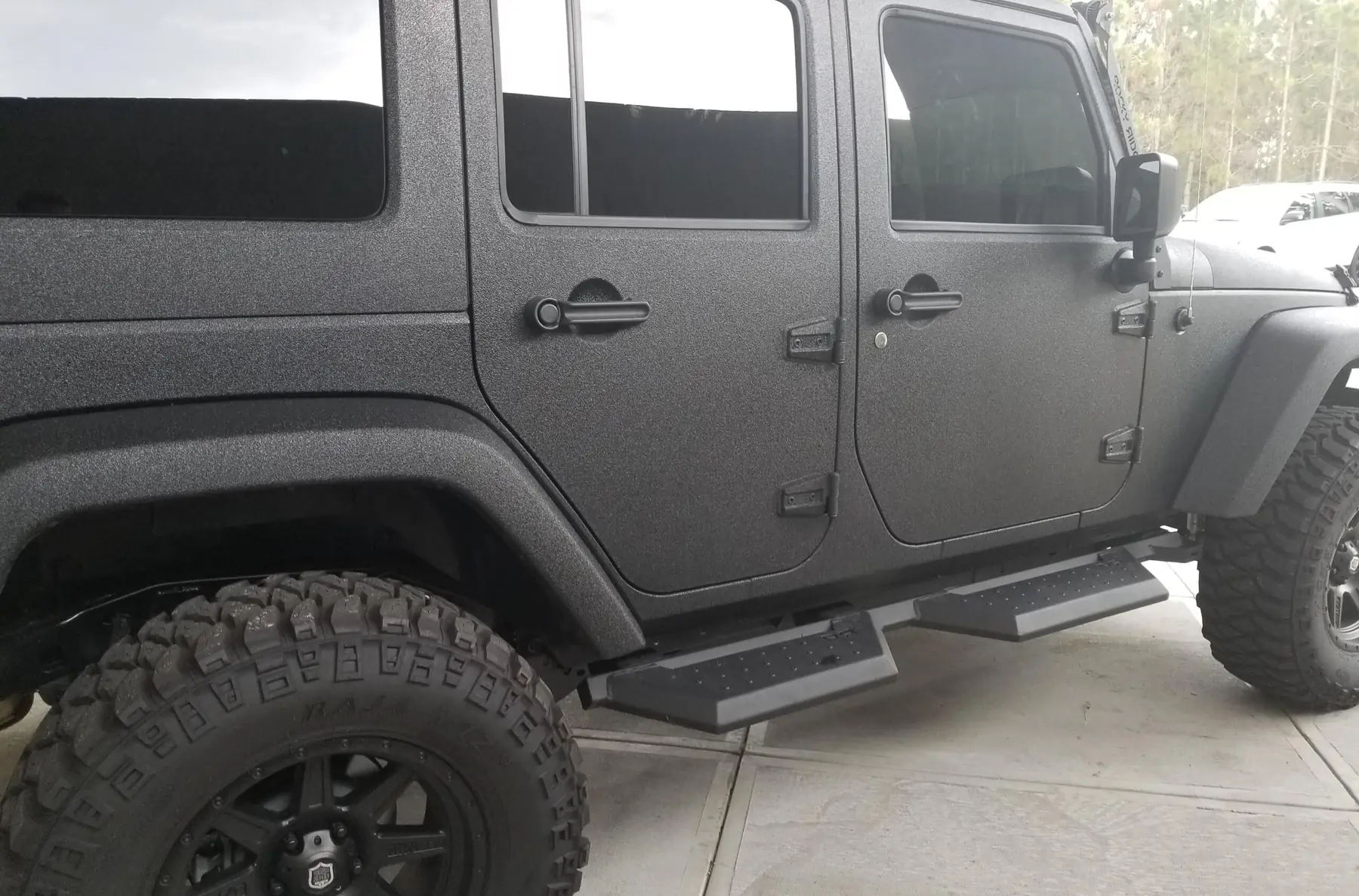
Bedliner on a Jeep: Full-Body, Tub and Rocker Coatings Explained
What a sprayed liner does on a Jeep, from rockers and flares to the tub and full body, what the prep involves,…
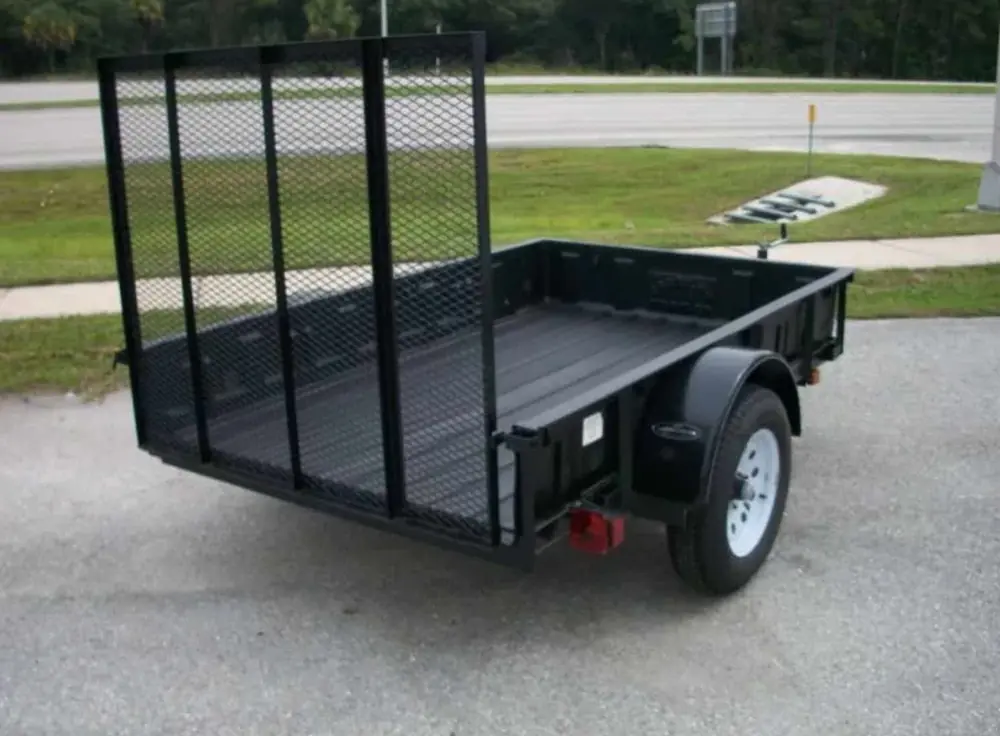
Trailer Bedliners: Decks, Ramps, Enclosed and Horse Trailer Floors
Where a sprayed liner works on utility, flatbed, enclosed and horse trailers, how wood, steel and aluminum get prepped, and what drives…
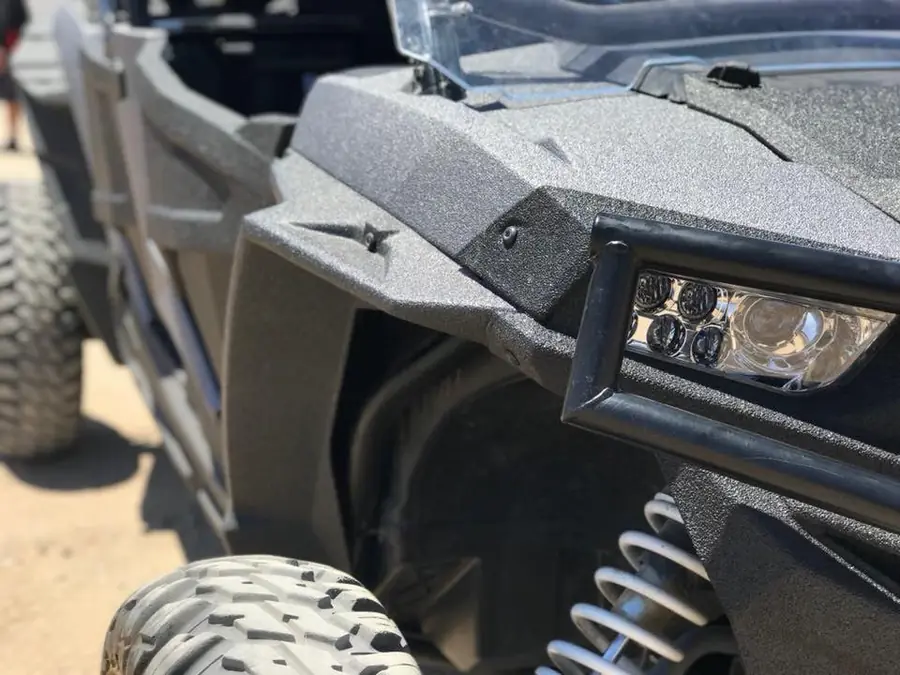
UTV and Side-by-Side Bedliner: Beds, Floors, Fenders and Roofs
Which parts of a UTV are worth coating, why plastic needs different prep than steel, what to keep the liner away from,…