
Trailer Bedliners: Decks, Ramps, Enclosed and Horse Trailer Floors
Where a sprayed liner works on utility, flatbed, enclosed and horse trailers, how wood, steel and aluminum get prepped, and what drives the price.
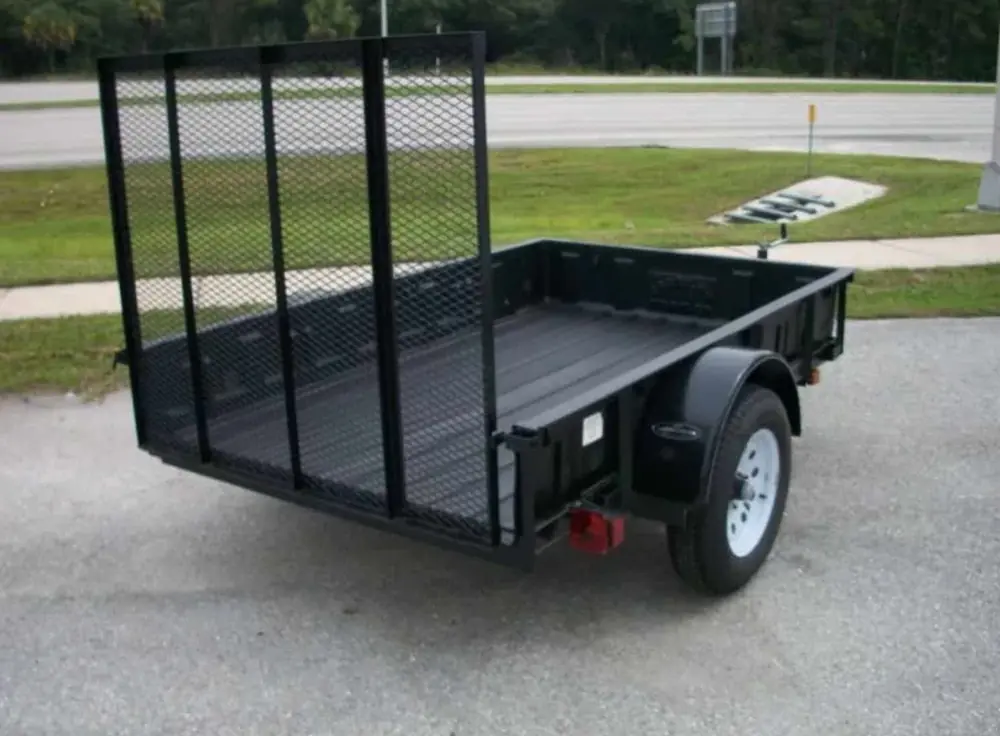
A sprayed liner works best on solid floors, ramps and fenders, where it seals the surface and adds grip. Enclosed cargo and horse trailer floors are the most common jobs, because wood and aluminum floors take the most damage from water, urine and sliding loads.
Prep depends on the material. Wood has to be dry and sealed at the edges, steel needs rust and scale removed, and aluminum needs its own primer.
Key takeaways
- Plywood floors must be dry before coating, and the liner should wrap the edges and run up the walls so water cannot get under it.
- In horse and livestock trailers, a textured liner seals the floor against urine and adds footing, but rotted or corroded flooring has to be replaced first.
- Steel needs rust and mill scale removed, and aluminum needs degreasing, abrading and a primer made for aluminum.
- A liner on an open mesh deck protects the strands from rust but will not turn mesh into a solid floor.
- Trailer jobs are often priced by the square foot, and prep, wall height and floor repairs move the number more than the material does.
Trailers get treated harder than almost anything else you own. Loads get dragged across the floor, ramps get wet and slick, fenders catch gravel, and the whole thing sits outside in the rain between trips. A sprayed liner can fix a lot of that, as long as it goes on the right surface with the right prep.
The type of trailer changes the job quite a bit. A steel utility deck, a plywood cargo floor and an aluminum horse trailer each need a different approach, and each one fails in its own way when the prep gets skipped.
Utility and mesh-deck trailers
On a solid steel utility deck, a liner does the same job it does in a truck bed. It stops rust, quiets loads and keeps cargo from sliding around. The usual targets are the deck, the inside of the side rails and the fenders.
Mesh decks are different. A liner sprayed on expanded metal coats the strands and protects them from rust, but it is not a practical way to turn mesh into a solid floor. If you want a sealed deck, add solid sheet first and coat that. On many mesh trailers, owners coat only the frame rails, fenders and tongue.
Flatbeds, car haulers, ramps and fenders
Steel and diamond-plate decks take a liner well. Wood plank decks are a weaker candidate, because individual boards flex, shrink and swell, and a continuous coating can crack along the gaps between them. If your flatbed has planks, ask the shop whether the deck is worth coating or whether coating the steel alone makes more sense.
Ramps are one of the best uses. A textured finish gives tires and boots grip when the ramp is wet or muddy, which is exactly when people slip. Fenders are worth doing too. The tops get stepped on and the undersides get sandblasted by tire spray, and a liner handles both.
Enclosed cargo trailer floors
Most enclosed trailers come with a plywood floor, and plywood is where liners either last for years or fail early. Moisture is the issue. Wood that is damp when it gets coated can push vapor out under the liner and cause blisters or lifting, so the floor has to be dry before anyone sprays.
Edges matter just as much. Water gets into plywood through its edges, at the rear threshold, along the walls and around any cutouts. A good job seals those edges and runs the liner a few inches up the walls so spills cannot get under it. Screws should be set flush and seams filled before coating.
Once it is done, the floor is seamless and bonded, so there is nowhere for water to sit the way it does under a loose mat. That is a big part of why coated floors outlast bare ones.
Before you book, crawl under the trailer and look for soft spots, delamination and rusted crossmembers. A liner seals a sound floor. It will not fix a weak one.
Horse and livestock trailers
Livestock floors take a beating from urine, manure and wash water. Urine and its ammonia break down wood and corrode aluminum floors over time, and every gap or seam gives it a place to collect. A sprayed liner seals the whole floor, so cleanup becomes a hose and a broom instead of scraping between boards.
Footing is the other reason. A textured liner gives hooves more grip on a wet floor than smooth aluminum or worn wood. Some owners have the shop build extra thickness for a little more give underfoot, and many still use rubber mats or bedding for cushion on long hauls.
The floor under the liner has to be sound, and that matters more here than on any other trailer. A corroded aluminum plank or a rotted board can give way under a horse. Inspect it, replace what is bad, then coat. Polyurea is not a structural repair.
Prep by material: wood, steel and aluminum
Adhesion comes from prep, and each material needs its own process.
- Wood: dry it, sand it, vacuum it, fill gaps and fastener holes, then seal or prime so the liner bonds and the wood cannot wick moisture.
- Steel: grind or blast off rust and mill scale, degrease, and prime bare metal where the system calls for it. Galvanized steel needs its own prep as well.
- Aluminum: degrease, abrade, and use a primer made for aluminum. Skipping that step is a common reason liners peel off aluminum.
Any shop should be able to tell you which of these steps they will do on your trailer and why. If the whole answer is that they scuff it and spray it, keep asking questions.
What trailer coating costs
Many shops price trailers by the square foot, then add for prep, wall height and repairs. The ranges below are rough, and real quotes vary by shop, region, trailer condition and size.
| Trailer job | Typical scope | Rough price range |
|---|---|---|
| Small utility deck (5×8 to 6×10, solid floor) | Deck, inside of the rails, fenders | About $400–$900 |
| Enclosed cargo floor (around 6×12) | Floor, sealed edges, a few inches up the walls | About $600–$1,400 |
| Larger enclosed floor (7×16 and up) | Floor plus lower walls or wheel wells | About $1,000–$2,500 |
| Two-horse trailer floor | Floor and lower walls, often a heavier build | About $800–$2,000 |
| Ramps and fenders | Added to a floor job | About $100–$400 extra |
Floors that need replacement boards, heavy rust removal or a lot of fastener work will run higher. Coating the ramps and fenders at the same time is usually cheaper than coming back for them later.
Before you book
Empty the trailer, pull out any mats, and if a wood floor has been wet, let it dry under cover for a while. Tell the shop what you haul. Tracked equipment, sharp-edged loads and horses each call for different thickness and texture choices.
Ask how they will seal the edges, how far up the walls they will go, and how they will handle tie-downs, D-rings and E-track so those stay usable. If you tow with a pickup, our spray-in vs drop-in comparison covers the truck side, and the applications page shows other trailer and equipment jobs. When you are ready, request a quote with your trailer size and floor type.
Frequently asked questions
Can you put bedliner on a wood trailer floor?
Yes, and it is common on enclosed cargo trailers with plywood floors. The wood has to be dry, sanded and sealed, and the edges and seams need to be covered so water cannot wick in underneath.
Is bedliner good for a horse trailer floor?
A textured liner seals the floor against urine and wash water and gives hooves better footing on a wet surface. Many owners still use mats or bedding for cushion, and any rotted or corroded floor has to be replaced before coating.
How much does it cost to spray a trailer floor?
It depends on square footage, prep and floor material. Expect quotes for a typical enclosed cargo floor roughly in the high hundreds to low thousands of dollars, with larger trailers and wall coverage costing more.
Will bedliner stick to an aluminum trailer?
It will with the right prep. The aluminum has to be degreased, abraded and primed with a product made for aluminum, or the liner can peel.
Was this article helpful?
Thanks for telling us. Spot something wrong?
Keep reading
More from the blog.
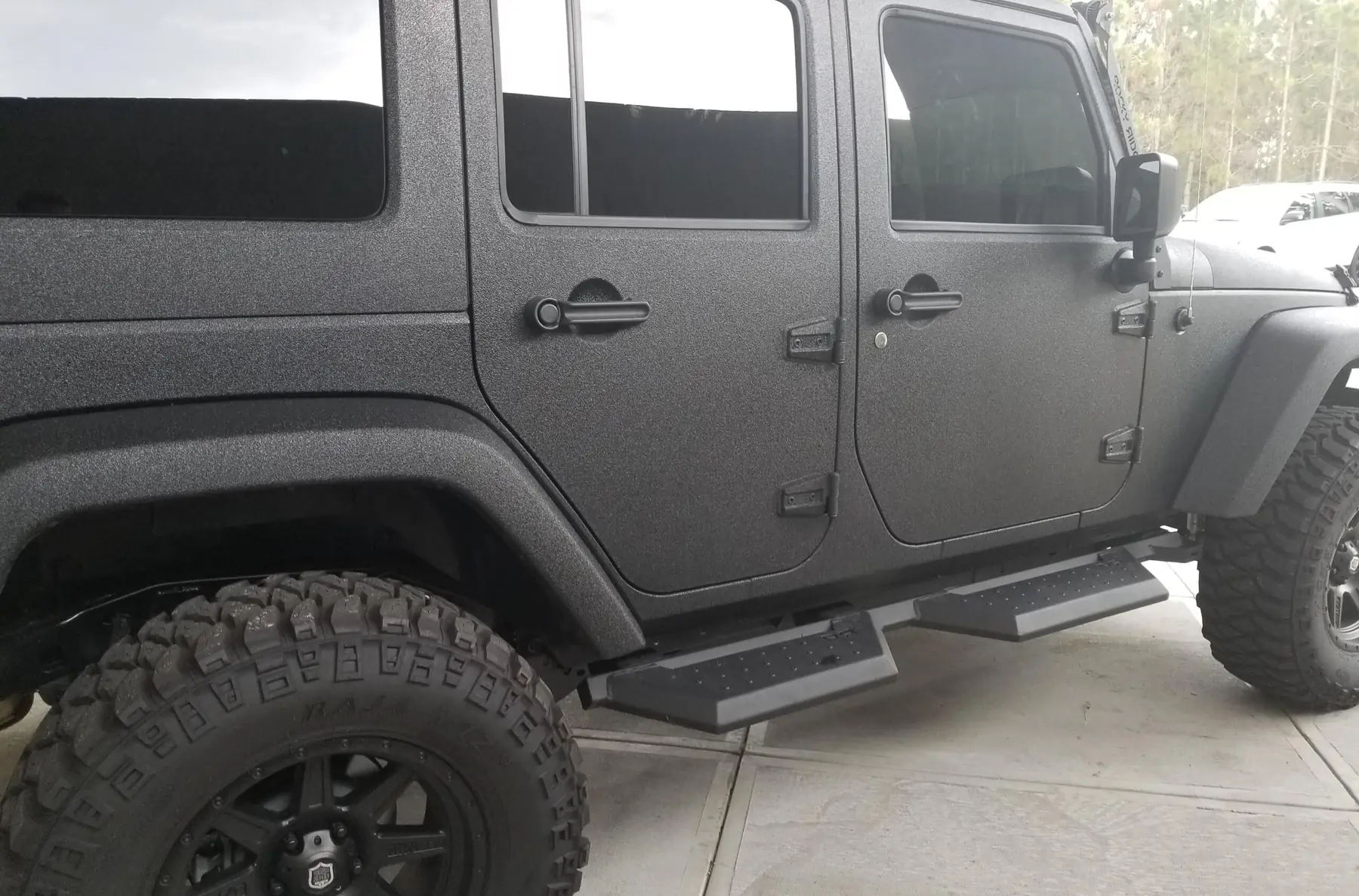
Bedliner on a Jeep: Full-Body, Tub and Rocker Coatings Explained
What a sprayed liner does on a Jeep, from rockers and flares to the tub and full body, what the prep involves,…
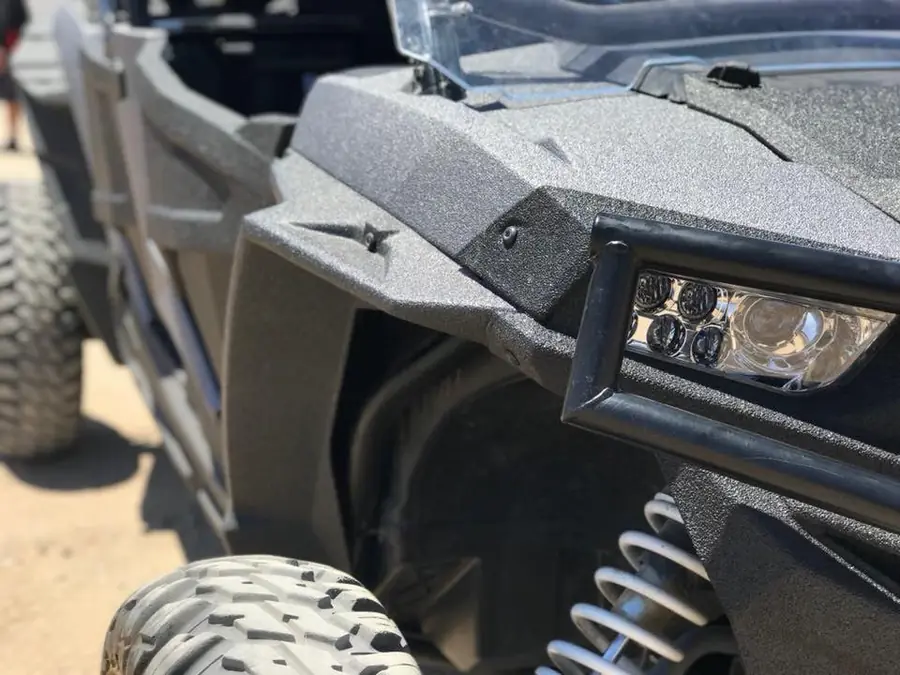
UTV and Side-by-Side Bedliner: Beds, Floors, Fenders and Roofs
Which parts of a UTV are worth coating, why plastic needs different prep than steel, what to keep the liner away from,…
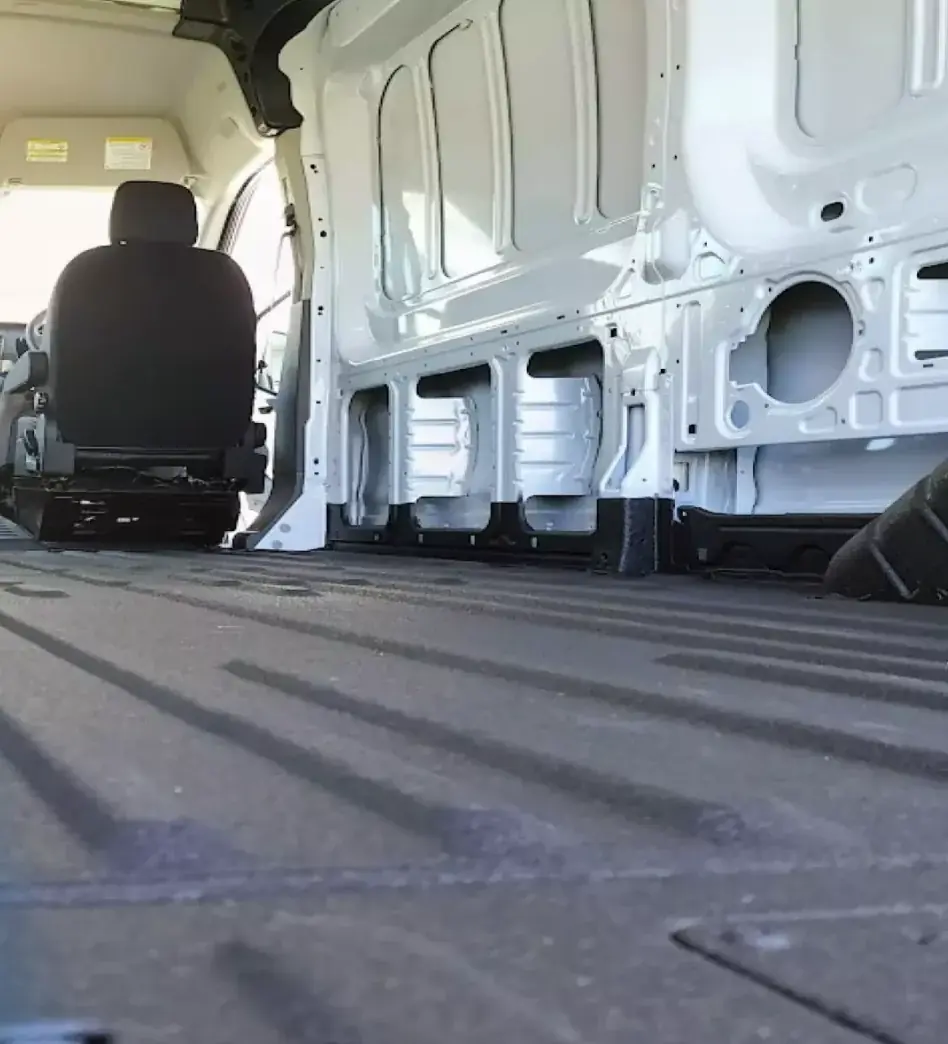
Spray-On Liners for Cargo Vans: Sprinter, Transit and ProMaster Floors
What a sprayed liner does on a cargo van floor, wheel wells and walls, what the shop removes first, how long the…