
Dump Truck and Equipment Liners: Where Polyurea Earns Its Keep
Where a sprayed polyurea liner helps dump bodies, trailers and spreaders, where heavy rock and hot asphalt limit it, and how to spec one that lasts.
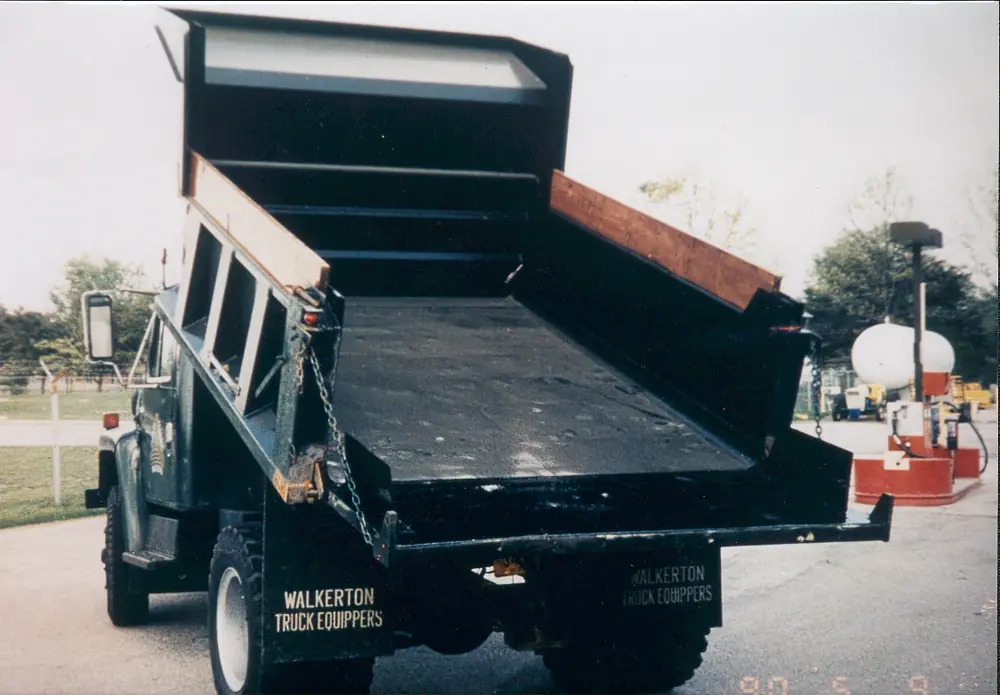
A polyurea liner protects a dump body from impact, corrosion and carry-back, and damage can be spot-repaired. It works best when the material and thickness are matched to what you haul.
Large, sharp rock is hard on any liner, and hot asphalt is a real limitation for standard spray-on products, so tell the shop exactly what goes in the body.
Key takeaways
- Polyurea liners do best against impact from dirt, gravel, sand and mulch, and they wear gradually under sliding abrasion like any surface.
- Large, sharp, heavy rock and demolition debris can cut or gouge a liner, so some operators accept spot repairs and others stay with AR steel.
- Standard spray-on liners are not made for hot-mix asphalt, so confirm a product's heat rating in writing before lining an asphalt body.
- Blasting to clean steel, weld repairs and clean edge terminations matter as much to liner life as the spraying itself.
- Gouges can be trimmed and recoated locally, which is usually quicker than cutting and welding worn steel.
A dump body has a hard life. Loaders drop material into it from height, the load grinds across the floor every time the bed goes up, and wet clay or frozen gravel likes to hang on in the corners. Steel holds up, but it dents, rusts and wears thin over the years, and carry-back costs you time on every load.
A sprayed polyurea liner can help with most of that, but it isn’t the right answer for every load. Here is where it earns its keep, where it doesn’t, and how to spec one that lasts.
What a Liner Does in a Dump Body
A properly applied liner is bonded to the steel, so there’s no gap for water or fines to work behind it. On a working truck, that adds up to a few practical benefits:
- Impact absorption. The elastomer flexes under a dropped load instead of denting, which helps protect the floor underneath.
- Less carry-back. Sticky material like wet clay, topsoil and mulch tends to release more cleanly from a smooth coating than from rough, rusted steel.
- Corrosion protection. Road salt, fertilizer and standing water stay off the steel as long as the coating is intact.
- Less noise. Rock landing on a coated floor is quieter than rock hitting bare steel, which your operators and the neighbors notice on early starts.
None of that helps if the liner is the wrong match for what you haul, so start there.
Impact vs. Sliding Abrasion: Know Your Load
Two kinds of wear happen in a dump body. Impact is the hit when material lands. Sliding abrasion is the scraping as the load moves toward the tailgate. A polyurea liner handles them differently.
Impact from dirt, sand, mulch and rounded gravel is where elastomers do well, because the coating gives and recovers. Sliding abrasion wears any surface over time, steel included, and a liner will wear too, mostly down the center of the floor and at the tailgate where everything exits.
The tough loads are large, sharp, heavy rock dropped from height: shot rock, riprap, and demolition debris with rebar or broken concrete. Sharp edges can cut or gouge a liner, and a big rock coming off a loader bucket puts a lot of force on a small spot. Some operators in that work line their bodies anyway and accept spot repairs. Others stay with AR steel or wear plate. Either can be the right call depending on the load and how much upkeep you want.
The answer is matching the material and thickness to the job. Tell the applicator exactly what you haul and how it’s loaded. A good one will spec a heavier build, or a different product from the manufacturer’s line, for rock than for landscape mulch, and will tell you plainly when a liner isn’t a good fit.
Hot Asphalt and Other Limits
Hot-mix asphalt is the big exception. It’s loaded hot, and a standard spray-on bedliner isn’t formulated for that kind of heat. The coating can soften, the asphalt can stick to it, and you can end up worse off than with bare steel and a release agent. If asphalt is part of your work, say so up front. Some manufacturers offer high-temperature systems, so ask what the specific product is rated for and get it in writing.
Hot asphalt and other high-heat loads are a real limitation for standard spray-on liners. Don’t let anyone line an asphalt body without confirming the product is made for that temperature.
A liner is also not a structural repair. It won’t restore a floor that’s worn thin, cracked or rusted through, and it won’t straighten a bowed side. Weld repairs and patch plates come first, then the coating.
Other Equipment That Takes a Liner
The same thinking carries over to a lot of other gear. Common candidates include:
- Dump trailers, which see the same loads as truck bodies. Our trailer liner guide covers the trailer side in more detail.
- Salt spreaders, sanders and V-box hoppers, where corrosion is the main enemy.
- Landscape trailers and stake bodies hauling mulch, soil and stone.
- Hoppers and bins that handle lighter, sticky material.
- Fenders, tailgates and toolboxes on work trucks.
People also ask about loader and excavator buckets. A coating can cut down on sticking inside a bucket used for light, wet material, but the cutting edge, teeth and heel take wear no elastomer will survive. Leave those as steel.
Prep, Thickness and Downtime
Prep makes or breaks a dump body liner. Expect the shop to:
- Pressure wash and degrease the body to remove oil, mud and old residue.
- Abrasive blast or grind to clean, rough steel, taking off rust, mill scale and loose paint.
- Make weld repairs and patch thin spots before any coating goes on.
- Prime where the product system calls for it.
- Spray in passes to the specified thickness, with extra build on the floor and tailgate.
Polyurea gels in seconds, so a body can be built up in one session. Ask how they finish the edges along the top rails and tailgate. A coating that ends in a thin, ragged line is where peeling usually starts, while a clean, masked edge holds up better.
Get the thickness in the quote. Pickup beds commonly run 60 to 125 mil, and a dump body in heavy service is usually spec’d heavier than a pickup. Plan for the truck to be down for a few days between blasting, repairs, coating and cure. Booking it in your slow season is the easiest way to absorb that.
Repairs and Day-to-Day Care
One advantage of a sprayed liner is that damage stays local and fixable. A gouge can be trimmed, scuffed and recoated without stripping the whole body, while worn steel usually means cutting and welding.
- Look over the floor, tailgate and edges after hard jobs and fix small gouges before water gets under them.
- Ask loader operators not to dig the bucket into the floor when cleaning out.
- Pressure wash as usual, but keep the nozzle off any lifted edge.
- Watch the tailgate seal area and hinge points, which take a beating.
General liner care is covered in our bedliner maintenance guide.
What Drives the Cost
Dump body liners are quoted job by job, mostly on square footage, prep and thickness. There’s no single price that fits every body, so compare quotes written to the same spec.
| Factor | Effect on price |
|---|---|
| Body size | Square footage of the floor, sides, headboard and tailgate sets the material quantity. |
| Thickness | Heavier builds for rock use more material and more spray time. |
| Condition | Rust, thin spots and weld repairs add work before spraying. |
| Blasting | Blasting an older body to clean steel takes longer than scuffing a newer one. |
| Coverage | Floor only costs less than floor, sides, tailgate and headboard. |
| Scheduling | Rush or weekend work to limit downtime can cost more. |
When you weigh it, compare against what you spend now: floor replacement down the road, time spent knocking carry-back loose, and days lost to repairs. If those costs are real for your operation, a liner matched to your loads usually makes sense. When you’re ready, request a quote from an ArmorThane applicator and tell them what you haul.
Frequently asked questions
Can you put a spray-on liner in a dump truck that hauls asphalt?
Standard spray-on bedliners are not made for hot-mix asphalt temperatures and can soften or bond to the load. Only consider it with a product specifically rated for that heat, confirmed in writing.
Does a liner keep material from sticking in a dump body?
It usually reduces carry-back of wet clay, soil and mulch compared with rough or rusted steel. It won't eliminate sticking with every material.
Is polyurea better than AR steel for hauling rock?
It depends on the rock. A liner handles impact from gravel and smaller stone well, while large, sharp shot rock or riprap can gouge it, and many operators in that work prefer wear plate.
How thick should a dump body liner be?
Heavier than a typical pickup bed, which commonly runs 60 to 125 mil, with extra build on the floor and tailgate. The right number depends on the load, so get the target thickness in the quote.
Can a damaged dump body liner be repaired?
Yes. A gouged area can be trimmed, scuffed and recoated without redoing the whole body, as long as it's fixed before water gets underneath.
Was this article helpful?
Thanks for telling us. Spot something wrong?
Keep reading
More from the blog.
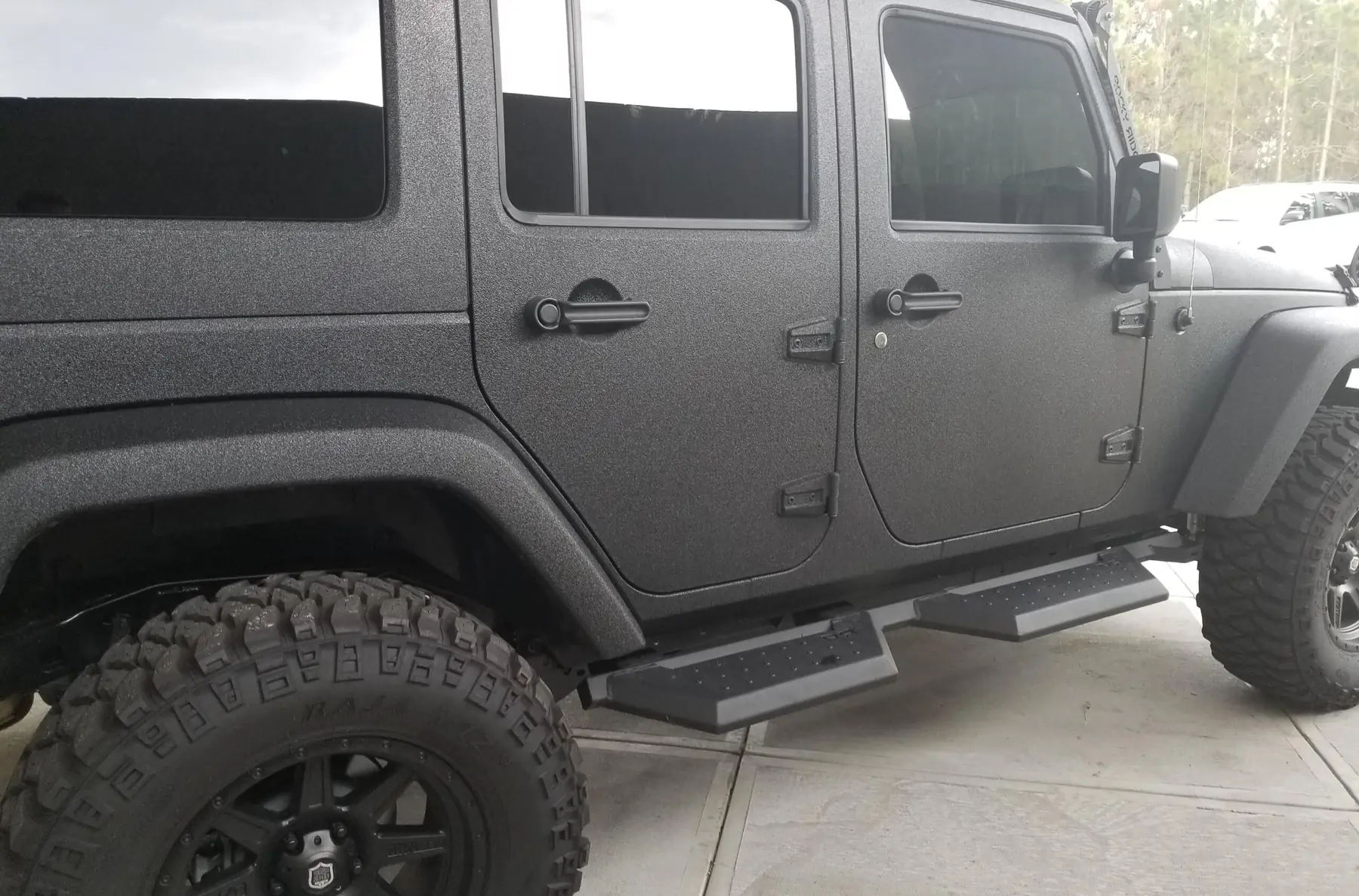
Bedliner on a Jeep: Full-Body, Tub and Rocker Coatings Explained
What a sprayed liner does on a Jeep, from rockers and flares to the tub and full body, what the prep involves,…
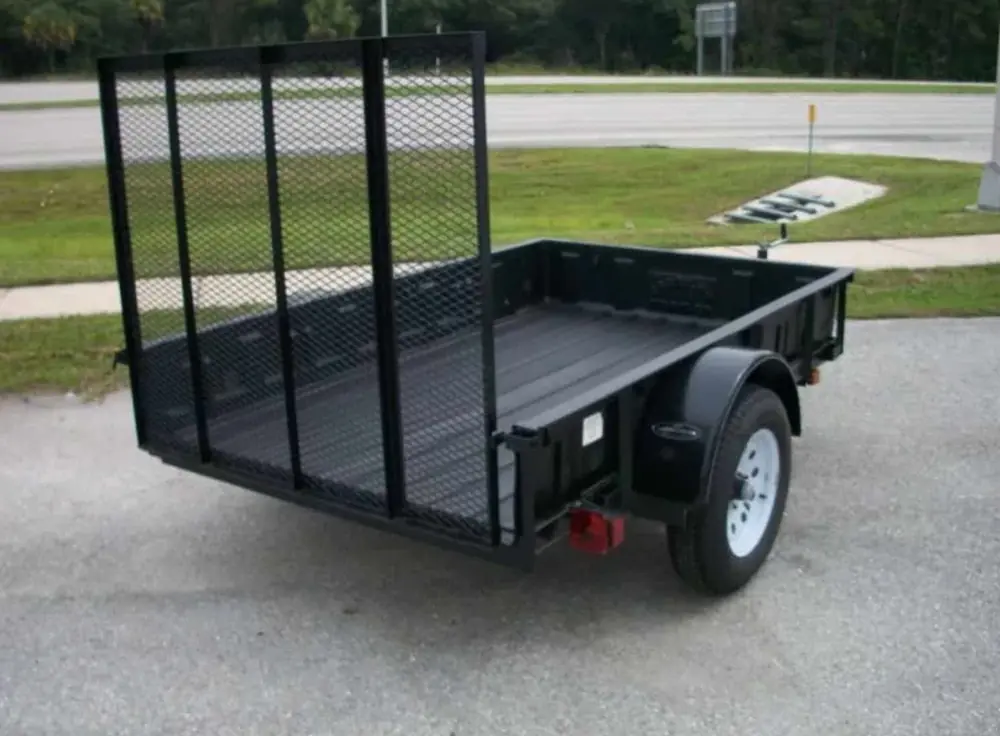
Trailer Bedliners: Decks, Ramps, Enclosed and Horse Trailer Floors
Where a sprayed liner works on utility, flatbed, enclosed and horse trailers, how wood, steel and aluminum get prepped, and what drives…
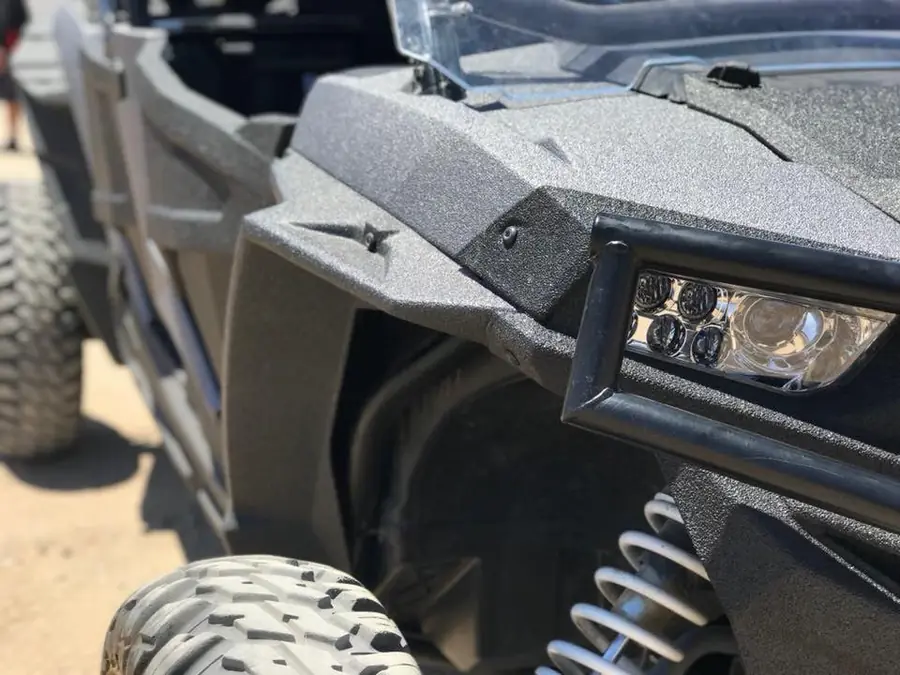
UTV and Side-by-Side Bedliner: Beds, Floors, Fenders and Roofs
Which parts of a UTV are worth coating, why plastic needs different prep than steel, what to keep the liner away from,…