
How to Start a Spray-On Bedliner Business in 2026
What it takes to open a spray-on bedliner shop: low- vs high-pressure equipment, startup budget, pricing logic, training and finding customers.
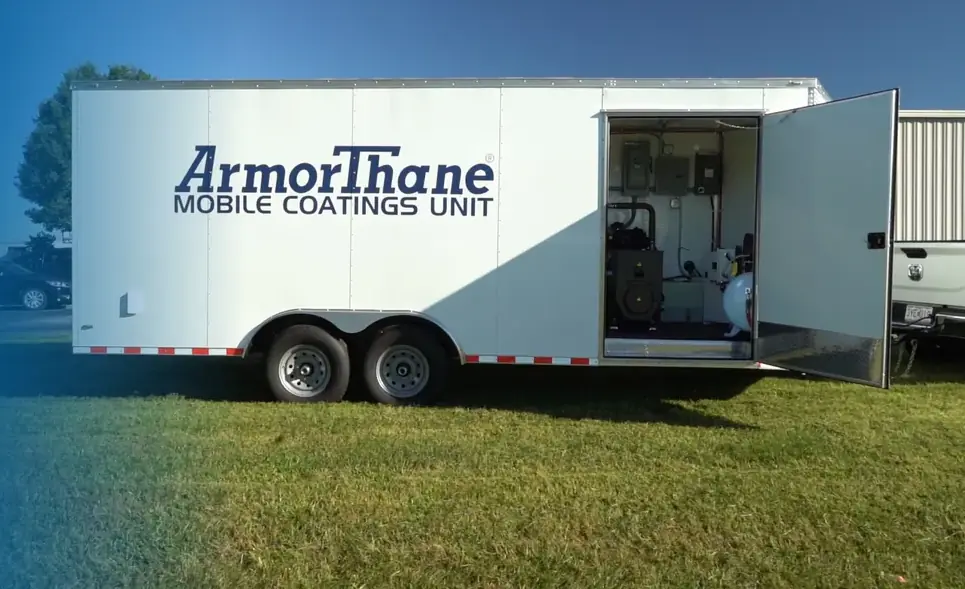
A spray-on bedliner shop can start with a low-pressure package around $25,000 or a high-pressure heated system around $50,000, plus shop setup and working capital. Profit comes from controlling material per truck and doing prep quickly and correctly.
Body shops and accessory shops have a head start. Independent dealers skip franchise fees and royalties, but they build and market their own brand.
Key takeaways
- ArmorThane low-pressure packages run about $25,000 and high-pressure heated systems about $50,000, and both numbers move with configuration.
- Budget roughly $3,000 to $8,000 more for booth, ventilation, air and prep tools if you start from an empty building, plus working capital for the first slow months.
- Have an electrician check your building before buying a heated high-pressure rig, since some need 3-phase or 100+ amp service.
- Material cost per truck is set by sprayed area and thickness, so margin depends mostly on how efficiently your crew handles prep and masking.
- ArmorThane dealers pay no franchise fee, royalty, marketing fund or territory purchase quota, but they market their own shop.
From the outside, a spray-on bedliner shop looks simple: pull the truck in, mask it, spray it, hand back the keys. The spraying is the short part. What decides whether the business works is how well you prep, how tightly you control material, and whether enough work comes through the door to pay for the rig.
Here is what to know about equipment, budget, pricing and getting your first trucks booked.
Who Does Well in This Business
The fastest starters usually already have a building and customers:
- Body and collision shops. You already have prep skills, compressed air, a ventilated space and people who know how to mask a vehicle.
- Truck accessory shops. Your customers already buy tonneau covers, lift kits and hitches, so a liner is an easy add-on.
- Mobile operators. A trailer-mounted rig goes to farms, contractor yards and fleet lots, though you have less control over temperature and moisture.
- Start-from-scratch owners. It works, but you are building the shop, the skill and the customer list at once.
What they share is habits: fussy prep, a clean shop and a willingness to pick up the phone and sell.
Low-Pressure vs High-Pressure Equipment
The biggest early decision is the spray system. Low-pressure equipment generally runs slower-setting material at lower output, which is more forgiving for a new applicator. High-pressure heated rigs spray fast-set polyurea that gels in seconds, put out more material per hour, and open the door to larger industrial jobs.
| Item | Low-pressure package | High-pressure system |
|---|---|---|
| Approximate ArmorThane price | About $25,000 | About $50,000 |
| Proportioner | ArmorLine LP | PMC or Graco |
| Also included | Up to 150 ft line set, spray gun, first material, prep and safety gear, training, certification | Heated hose, gun, material, training |
| Building power | Confirm requirements with your supplier | Some rigs need 3-phase or 100+ amp service |
| Best fit | Truck beds and smaller jobs at moderate volume | Higher volume, fleet and industrial work |
Those package numbers move with configuration, so treat them as a starting point. For pickup beds and a few trailers, low-pressure is a sensible entry. With fleet or industrial accounts already lined up, the extra output of a heated system can pay off sooner.
What It Really Costs to Start
Equipment is the biggest check you write, but it is not the whole budget. Plan for three buckets:
- Equipment: the low-pressure or high-pressure package above.
- Shop side: roughly $3,000 to $8,000 for a booth or ventilation, air supply and prep tools if you start from an empty building. An established body shop may already have most of this.
- Working capital: material beyond the first kit, insurance, masking supplies, sanding discs, advertising and rent for the months before bookings are steady.
Call your insurance agent early about coverage for customer vehicles in your bay, plus general liability. Supplied-air respiratory protection and proper PPE are standard when spraying isocyanate-based coatings, so budget for them.
Third-party equipment financing is available if you need to spread out the cost; ArmorThane does not finance in-house.
Heated high-pressure rigs can have serious electrical demands, and some need 3-phase or 100+ amp service. Have an electrician look at your panel before you sign for equipment, not after it arrives.
How Shops Price a Bedliner
There is no single correct price for a truck bed. Know your cost per job and price above it with room to spare.
Material per truck
Material cost comes down to area times thickness. In theory, a gallon of 100% solids coating covers about 1,604 square feet at 1 mil, which works out to roughly 13 square feet at 125 mil (1/8 inch) before overspray. A long bed uses more than a short bed, and over-rail coverage, the tailgate, a thicker spec or a UV topcoat all add material.
Labor time
Most of the clock goes to prep, not spraying. Pulling tie-downs and tailgate hardware, scuffing the bed, degreasing, masking the cab, rails and lights, then trimming tape and reassembling all take longer than the spray pass. A crew that preps well and fast is where margin shows up, because material cost per bed barely changes.
Setting your prices
Most shops post a base price for common bed sizes, then add for over-rail coverage, color, a UV topcoat or extra parts like wheel wells. Custom work like trailers or dump bodies gets quoted by area and prep time. Find out what established shops near you charge, then compete on prep quality, not on being cheapest. Underpricing leads to rushed prep, and rushed prep is how liners start lifting at the edges.
Your equipment payment, rent and insurance stay the same whether you spray two beds a week or ten. Every extra job spreads those fixed costs thinner, so keeping the booth busy matters as much as the number on each ticket.
Where the Work Comes From
- Local search. A complete Google Business Profile with real job photos, reviews and a page for each service is where many retail customers find you.
- Dealerships. New and used truck dealers sell liners as add-ons. Offer reliable turnaround and pickup, and a dealer can become a steady source of work.
- Fleets. Contractors, utilities and delivery companies need beds, van floors, dump bodies and trailers lined, often in batches.
- Word of mouth. Every truck you line sits at job sites and in driveways. Clean edges get noticed, and so do sloppy ones.
Do not limit yourself to pickups. Jeep tubs, UTV beds, trailer decks, van floors and work boat decks use the same equipment. See the full range of bedliner applications a shop can sell.
Franchise vs Independent Dealer
Some liner brands operate as franchise systems. In general terms, that means an upfront fee, ongoing royalties, contributions to a marketing fund and sometimes a territory you pay for. In return, you get a recognized name and a set playbook.
Independent dealers buy equipment and material from a manufacturer and run the shop under their own name. ArmorThane dealers pay no franchise fee, no royalty, no marketing fund and no territory purchase quota. The trade-off: building your brand is on you, so put some of the saved fees into marketing.
Training and the Learning Curve
A few days of training plus practice panels gets a new applicator to basic competence. Real skill comes with volume. Because polyurea gels in seconds, you cannot go back and fix a heavy spot or a thin pass, so gun distance, overlap and travel speed have to become habit.
Spray scrap panels and old tailgates before you take a paying job. Check thickness on test panels, practice clean tape lines, and watch edges and corners, where adhesion fails first. Adhesion depends on surface prep: scuff or abrade, degrease, and prime where the substrate calls for it. Aluminum and fiberglass need their own prep and primers, so learn those before you quote them.
A Step-by-Step Plan to Get Started
- Decide what you will sell first and learn what local shops charge.
- Check your building for space, ventilation and power, and ask local building and fire officials about spray operations.
- Choose low-pressure or high-pressure based on expected volume and available power.
- Line up financing, insurance and your shop-side budget.
- Train, then spray practice panels until thickness and tape lines are consistent.
- Write your prep standard and price sheet, then launch with a Google profile, dealership visits and fleet calls.
ArmorThane has been formulating polyurea and polyurethane coatings in Springfield, Missouri, since 1989, and ArmorLiner is its spray-on bedliner line. For current package configurations, training details and how financing works, request startup details from ArmorThane and compare them with your building and market.
Frequently asked questions
How much does it cost to start a spray-on bedliner business?
ArmorThane equipment packages run about $25,000 for low-pressure and about $50,000 for high-pressure, depending on configuration. Add roughly $3,000 to $8,000 for shop setup if you start from an empty building, plus working capital for material, insurance and marketing.
Do I need to buy a franchise to sell spray-on bedliners?
No. Many applicators run as independent dealers who buy equipment and material from a manufacturer. ArmorThane dealers pay no franchise fee, royalty or marketing fund.
Is low-pressure or high-pressure equipment better for a new shop?
Low-pressure costs less up front and suits a shop focused on truck beds at moderate volume. High-pressure costs more and can need 3-phase or 100+ amp power, but it handles higher volume and larger industrial jobs.
How long does it take to learn to spray bedliner?
A few days of training plus practice panels gets most new applicators to basic competence. Consistent thickness, clean tape lines and speed come with volume.
Can a mobile bedliner business work?
Yes, some operators run trailer-mounted rigs for farms, contractors and fleets. You have less control over temperature and surface moisture, so scheduling around the weather becomes part of the job.
Was this article helpful?
Thanks for telling us. Spot something wrong?
Keep reading
More from the blog.
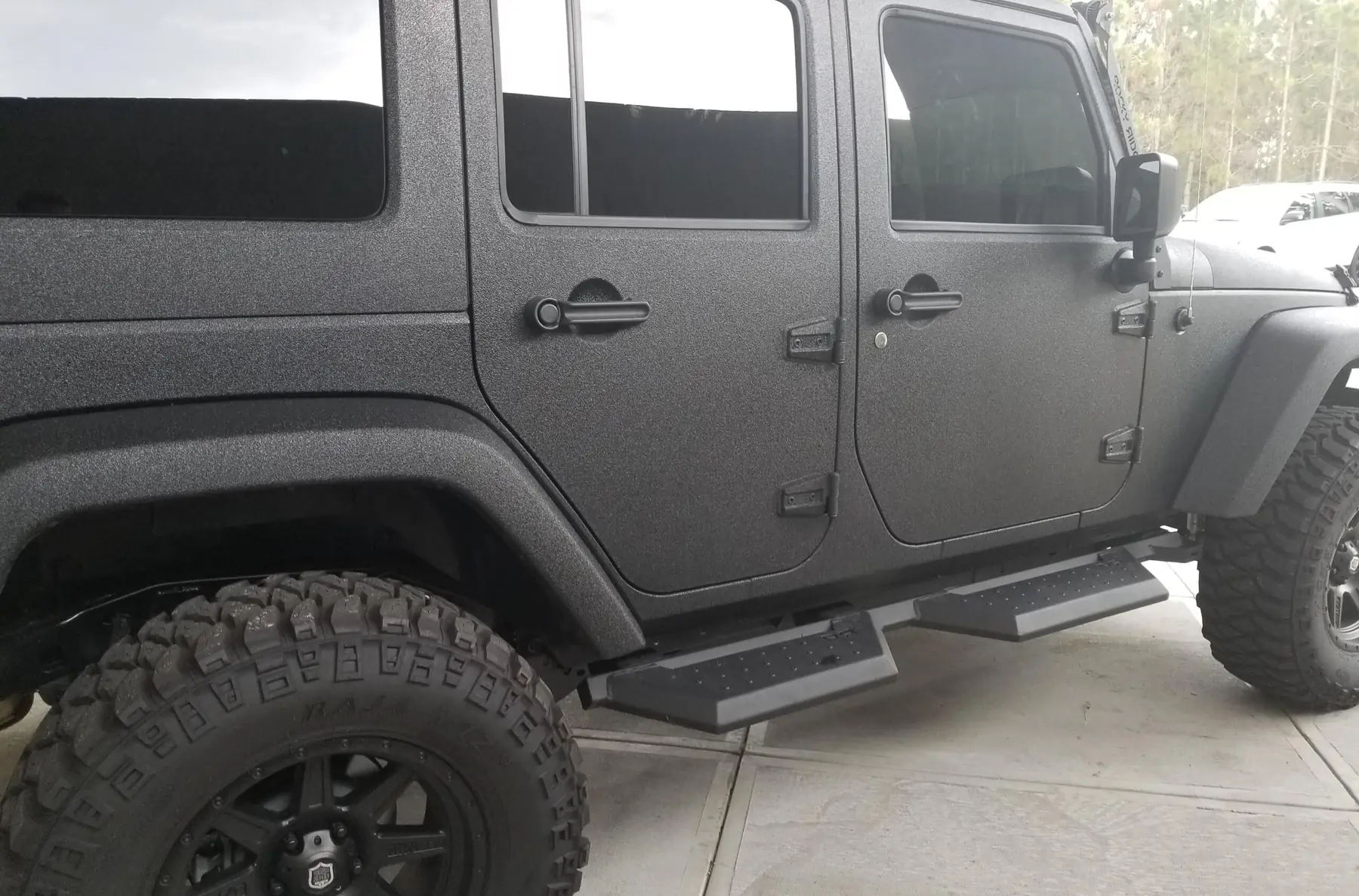
Bedliner on a Jeep: Full-Body, Tub and Rocker Coatings Explained
What a sprayed liner does on a Jeep, from rockers and flares to the tub and full body, what the prep involves,…
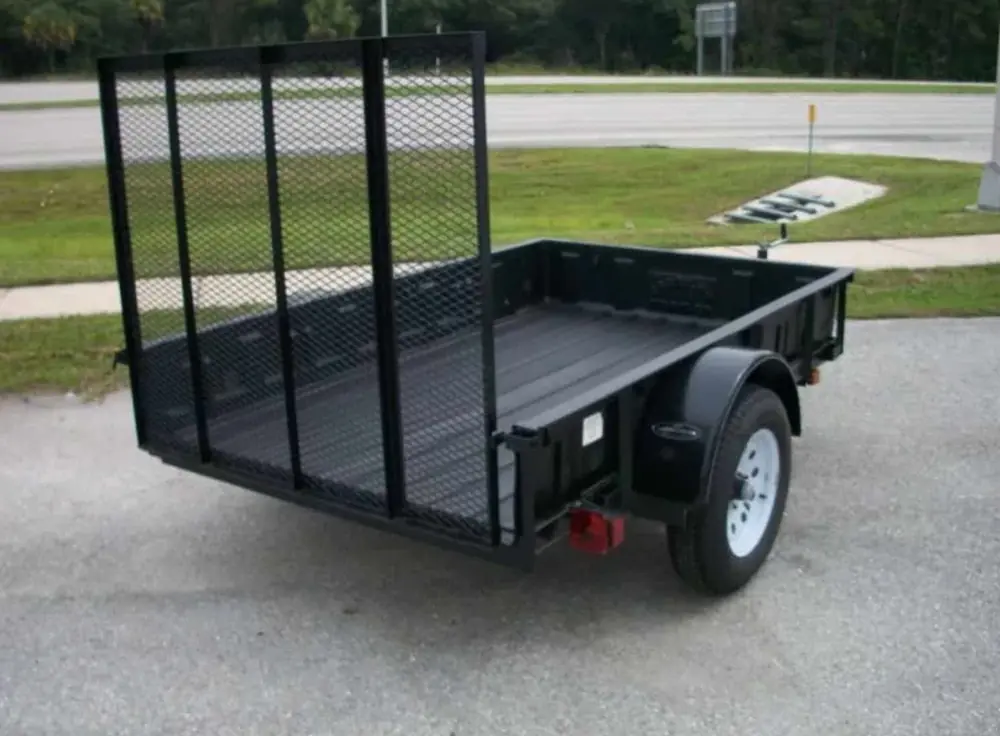
Trailer Bedliners: Decks, Ramps, Enclosed and Horse Trailer Floors
Where a sprayed liner works on utility, flatbed, enclosed and horse trailers, how wood, steel and aluminum get prepped, and what drives…
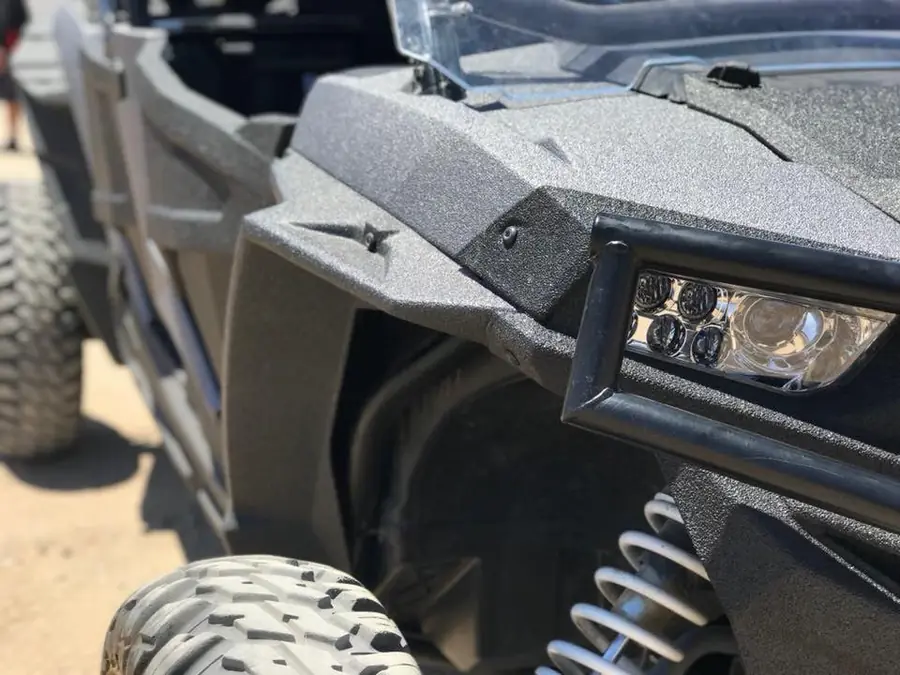
UTV and Side-by-Side Bedliner: Beds, Floors, Fenders and Roofs
Which parts of a UTV are worth coating, why plastic needs different prep than steel, what to keep the liner away from,…